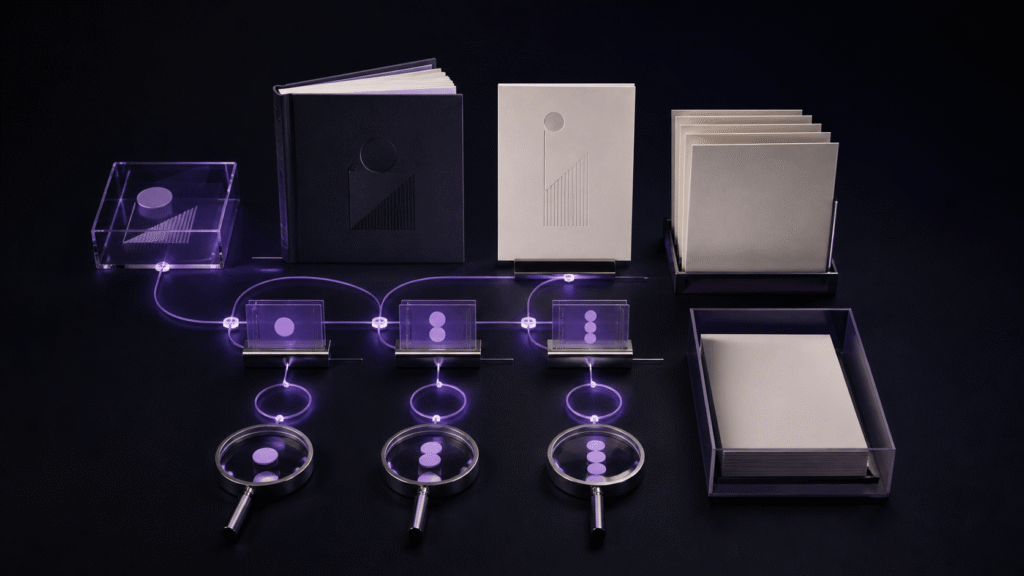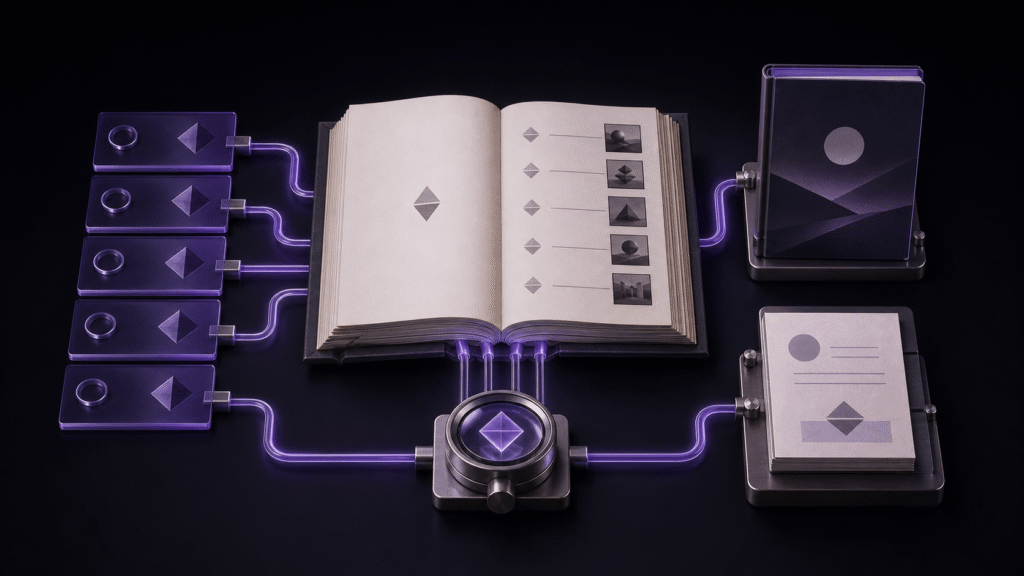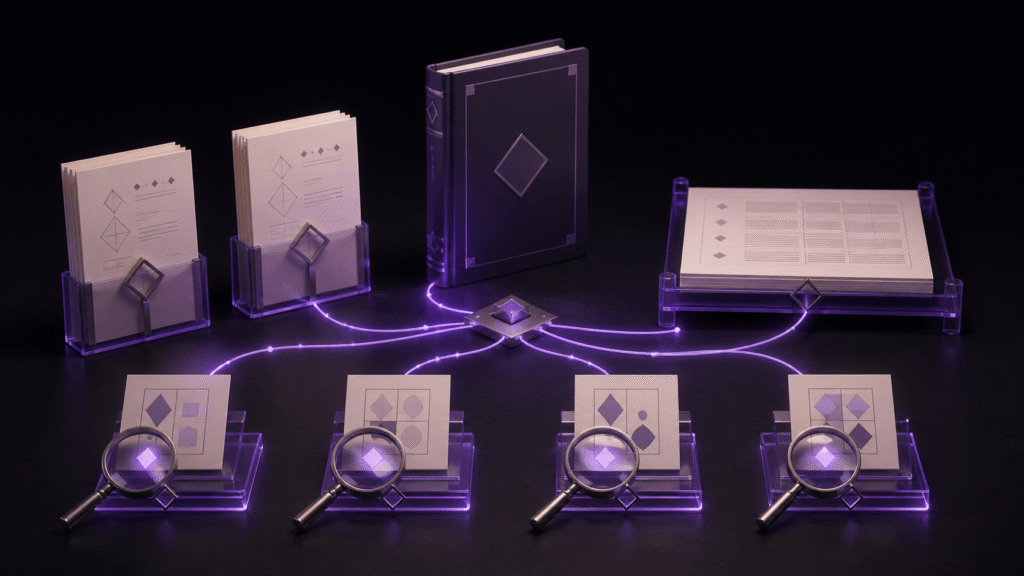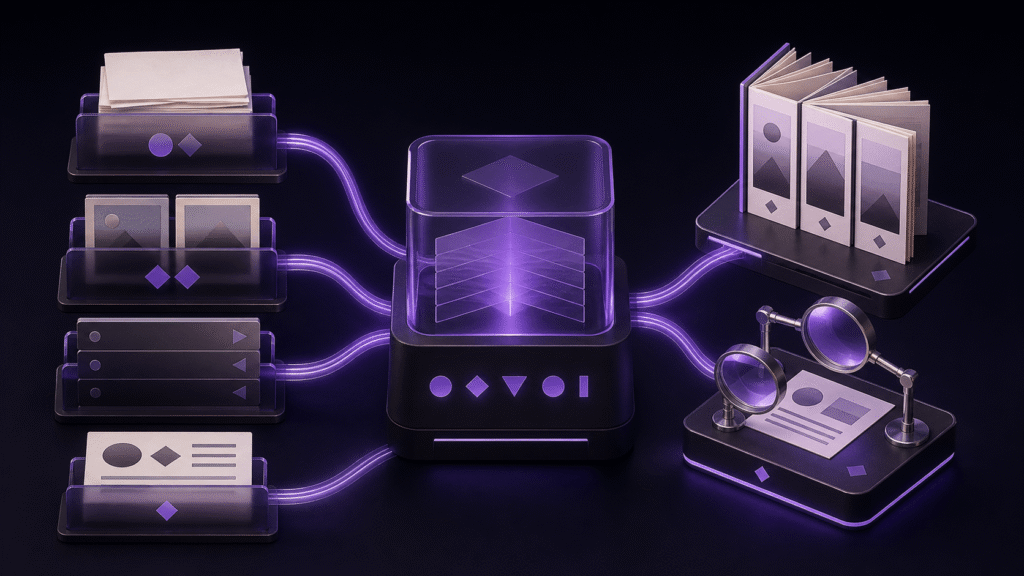
Do not begin a self-published ebook by trying to finish an entire long manuscript. Build a small three-chapter prototype first. It should contain one body figure, navigation, bibliographic information, a cover, and a colophon. Completing that small cycle teaches you where every later correction belongs.
Phase one: make three readable chapters
Use an introduction, main chapter, and afterword. Put one explanatory figure in the middle chapter and write specific alternative text such as “Route map to the harbor.” Keep images in an images folder, separate from chapter files.
Do not paste the cover into chapter one. A body figure explains content; a cover identifies the book. Make each chapter heading meaningful because it will become a navigation label.
Phase two: define the book
Enter title, author, publisher, language, date, and version. Choose horizontal or vertical writing, order the three chapters, and designate the cover. Rune Studio connects manuscript editing, preview, bibliographic settings, navigation, cover selection, and EPUB 3 export on a Mac. It does not choose the author’s chapter order or cover.
Phase three: read the finished sequence
Open the exported book from cover to title page, navigation, three chapters, and colophon. Follow all three navigation links. Check the figure and its alternative text in the middle chapter. Read the title, author, publisher, date, and version again in the colophon.
A finished editor view is not the delivery artifact. The exported EPUB is where these inputs must meet.
Learn one recovery before scaling up
The executed three-chapter prototype did not move its figure: it established a clean baseline with three navigation entries, one body figure plus the cover, and zero missing images. If you later reorganize assets, distinguish an external move—which requires a manual path check—from Rune Studio’s documented in-app move/rename behavior, which rewrites affected reference paths. Inspect the rebuilt EPUB in either case.
Return to image references for missing figures, chapter headings and order for navigation errors, bibliographic settings for colophon errors, and cover designation for a wrong cover. Do not edit a generated page as the source of truth.
Once the prototype has three correct navigation entries, one figure with alternative text, one cover, a correct colophon, and no missing images, expand the manuscript a few chapters at a time. Keep source backups and exported EPUBs separately.
This sequence ends with a checked EPUB 3 file. Store accounts, pricing, tax information, review, and device-specific presentation are later publishing steps. Completing one small book from manuscript to verified file is the best first step toward making a larger image-rich ebook yourself.