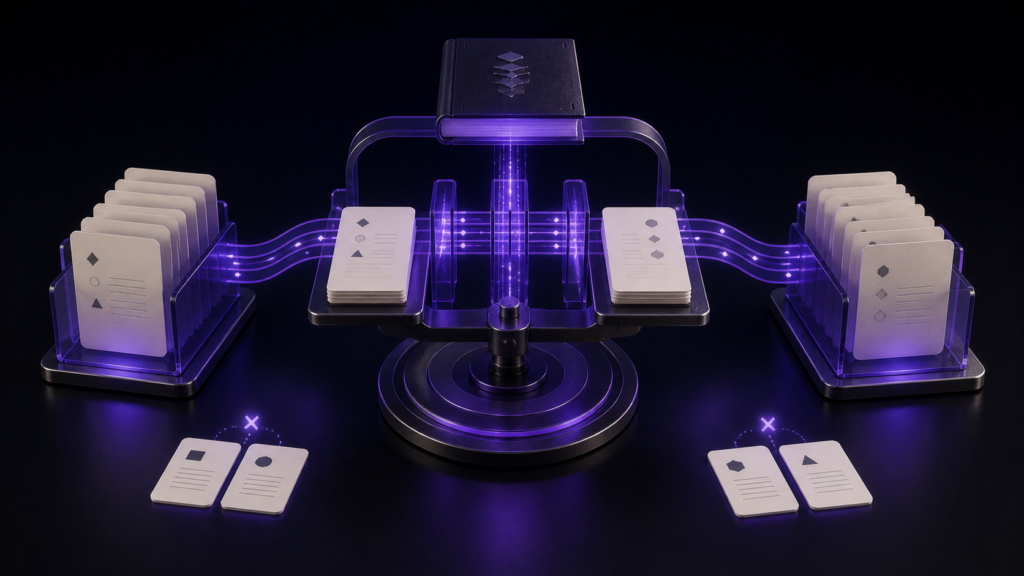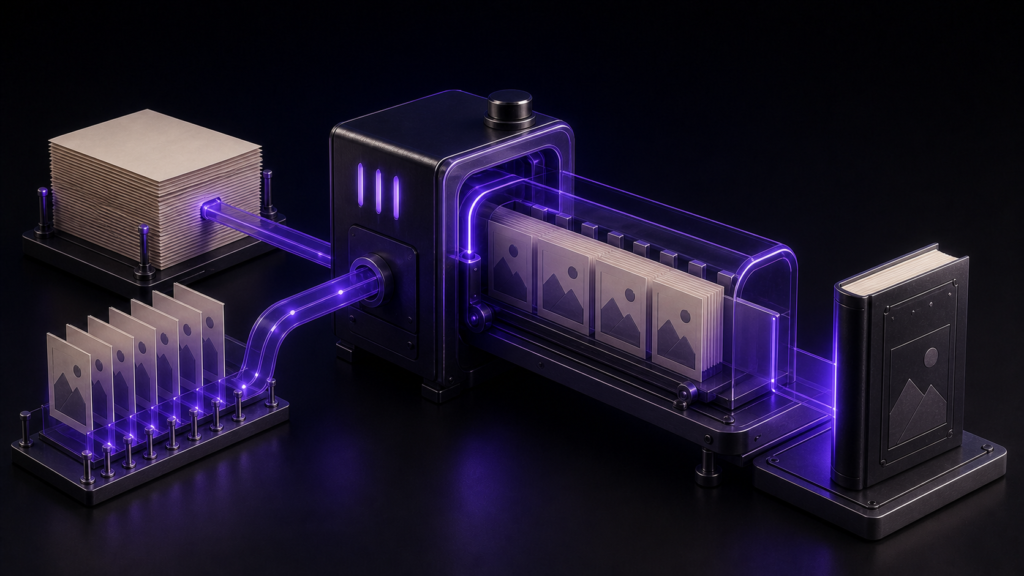
A repeatable answer to “KDP EPUB workflow” depends on this choice: keep EPUB structure, Kindle Previewer, and KDP intake as three independent exits. The controlled case is a horizontal two-chapter KDP candidate with navigation and a cover. A pass must demonstrate this outcome: complete the article-specific sample with separate evidence for EPUB structure, Previewer conversion, device views, KDP intake, return path. The excluded range is stated separately: KDP review approval, sales performance, and live upload instructions.
Decision: Keep EPUB structure, Kindle Previewer, and KDP intake as three independent exits
Close one checkpoint only when its input and result can be named. Reaching a build screen does not prove EPUB structure, return path, or the stages between them.
The article-specific evidence card has these fields: EPUB structure, Previewer conversion, device views, KDP intake, return path. Do not count the following excluded range as evidence: KDP review approval, sales performance, and live upload instructions.
What the controlled material must reveal
Use a horizontal two-chapter KDP candidate with navigation and a cover. Keep EPUB structure, Kindle Previewer conversion and device views, and the KDP result in separate rows; send every defect back to manuscript or settings before regeneration. A successful local build never substitutes for Previewer evidence or KDP acceptance.
This case addresses the failure behind the search: losing the authoritative input or acceptance evidence while trying to keep EPUB structure, Kindle Previewer, and KDP intake as three independent exits. Name the source, working copy, and delivered or reopened result so that another editor can locate each one without relying on a filename such as final.
Do the work without changing the baseline
Use the following product-independent sequence on the named sample. It is an acceptance method, not a claim that Rune Studio has already completed this particular case.
- 1. Freeze source and metadata. Attach the observed EPUB structure evidence to this step.
- 2. Generate and inspect the EPUB. Attach the observed Previewer conversion evidence to this step.
- 3. Review the converted book in Kindle Previewer. Attach the observed device views evidence to this step.
- 4. Record the KDP result separately. Attach the observed KDP intake evidence to this step.
- 5. Return defects to source or settings and rebuild. Attach the observed return path evidence to this step.
Pass, revision, or not tested
Do not infer one row from another. Record pass, revision, or not tested beside the actual target, date, output path or artifact ID.
- EPUB structure — expected state: written before the run; hold the row if local generation is treated as KDP approval.
- Previewer conversion — expected state: written before the run; hold the row if Previewer warnings are ignored.
- Device views — expected state: written before the run; hold the row if only the KDP conversion is repaired.
- KDP intake — expected state: written before the run; hold the row if local generation is treated as KDP approval.
- Return path — expected state: written before the run; hold the row if Previewer warnings are ignored.
Second-pass rejection rules
A second pass is meaningful only when its source and changed condition remain identifiable. Keep the earlier result and append the retest instead of replacing the failed row.
- 1. Local generation is treated as KDP approval; change only the responsible condition.
- 2. Previewer warnings are ignored; return to the named source.
- 3. Only the KDP conversion is repaired; preserve the failed artifact.
Where Rune Studio may reduce handoffs
Current product documentation covers capabilities relevant when you need to build body content and reading order from one authoritative manuscript set. That scope can justify a trial, but it does not show that a horizontal two-chapter KDP candidate with navigation and a cover passed this article's acceptance card.
Rune Studio is a plausible candidate when fewer source, setting, or reference handoffs help you keep EPUB structure, Kindle Previewer, and KDP intake as three independent exits. Use another tool or destination check for the excluded range stated here: KDP review approval, sales performance, and live upload instructions.
What to do today
For the search phrase “KDP EPUB workflow,” the conclusion is to keep EPUB structure, Kindle Previewer, and KDP intake as three independent exits. The result is accepted only when the record establishes this outcome: complete the article-specific sample with separate evidence for EPUB structure, Previewer conversion, device views, KDP intake, return path.
Begin here: make three separate result rows for build, Previewer, and KDP. If local generation is treated as KDP approval, stop at that row and return to its source. Check the Rune Studio product page for the current Mac feature scope before applying the same acceptance card to a product trial.