
Prose revision needs two different lenses: temporary highlighting for a word that feels crowded in the current scene, and a maintained list of general caution terms. The controlled 2,400-character rain scene contains six nearby pairs of “quiet” and ten caution-term occurrences such as “very,” “slightly,” and “somehow.” Color retrieves candidates; a human decides preserve, revise, or defer. Character and place-name authority remains in the character-name and proper-noun list workflow.
Retrieve six nearby pairs with temporary selection
Select one occurrence of “quiet” and check matching positions. Count a pair only when two uses are in the same or adjacent paragraph, then label the six pairs R1 through R6. Widely separated occurrences at the scene beginning and end are not a nearby pair.
Temporary highlighting investigates the current concern. It does not register “quiet” as an approved story term.
Classify rhetorical effect, redundant explanation, and pending review
Preserve R1 and R2 as deliberate repetition of the vanished rain sound. Revise one side of R3 through R5 because they repeat the same explanation. Keep R6 pending until its scene-transition role is reread.
Revision is not deletion of all six pairs. Every preserved, revised, or pending pair needs a reason.
Retrieve ten caution terms from a separate list
Put “very,” “slightly,” “somehow,” “suddenly,” and “involuntarily” in a general caution list and label the ten scene occurrences C1 through C10. This list rereads vagueness and weak explanation; it does not manage the authoritative spelling of people or places.
Use a different color or opacity from temporary “quiet” highlighting so R and C remain visibly separate.
Turn a caution highlight into a question
Ask whether “somehow” intentionally withholds a cause, whether “very” can become a concrete degree, and whether “slightly” can name an amount or duration. In the specimen, specify four, preserve three as narrator uncertainty, and defer three until a later scene.
A registered occurrence does not supply its own replacement.
Read overlapping R and C highlights in two passes
A sentence can contain both nearby “quiet” repetition and “somehow.” First assess distance and rhetorical repetition; then assess the missing cause. Editing both at once can remove the sentence focus.
After one R revision, reread C because the surrounding meaning may have changed. Do not merge their counts into one completion number.
Keep character and place authority outside the caution list
A character name resembling “quiet” does not belong in this general list. Accepted character forms, alternate names, places, and story terms remain in the stable-ID workflow of the character-name and proper-noun list workflow. This boundary prevents frequent character references from being treated as prose clutter.
Use the two Rune Studio highlights for different jobs
Rune Studio documentation describes same-string highlighting after selection, multiple purpose-specific word lists, automatic highlighting of registered terms, and adjustable color and opacity.
On August 14, 2026, a dedicated environment confirmed that the current settings contained a Default highlight list and returned a large-file decision. The observed evidence ends at list presence and the large-file state.
The approximate 0.3-second highlight, creation of multiple lists, automatic registered-term highlighting, color and opacity changes, and the 2,400-character R6/C10 specimen were not executed. Using temporary matches as R and registered terms as C is an expected editorial design, not a measured result.
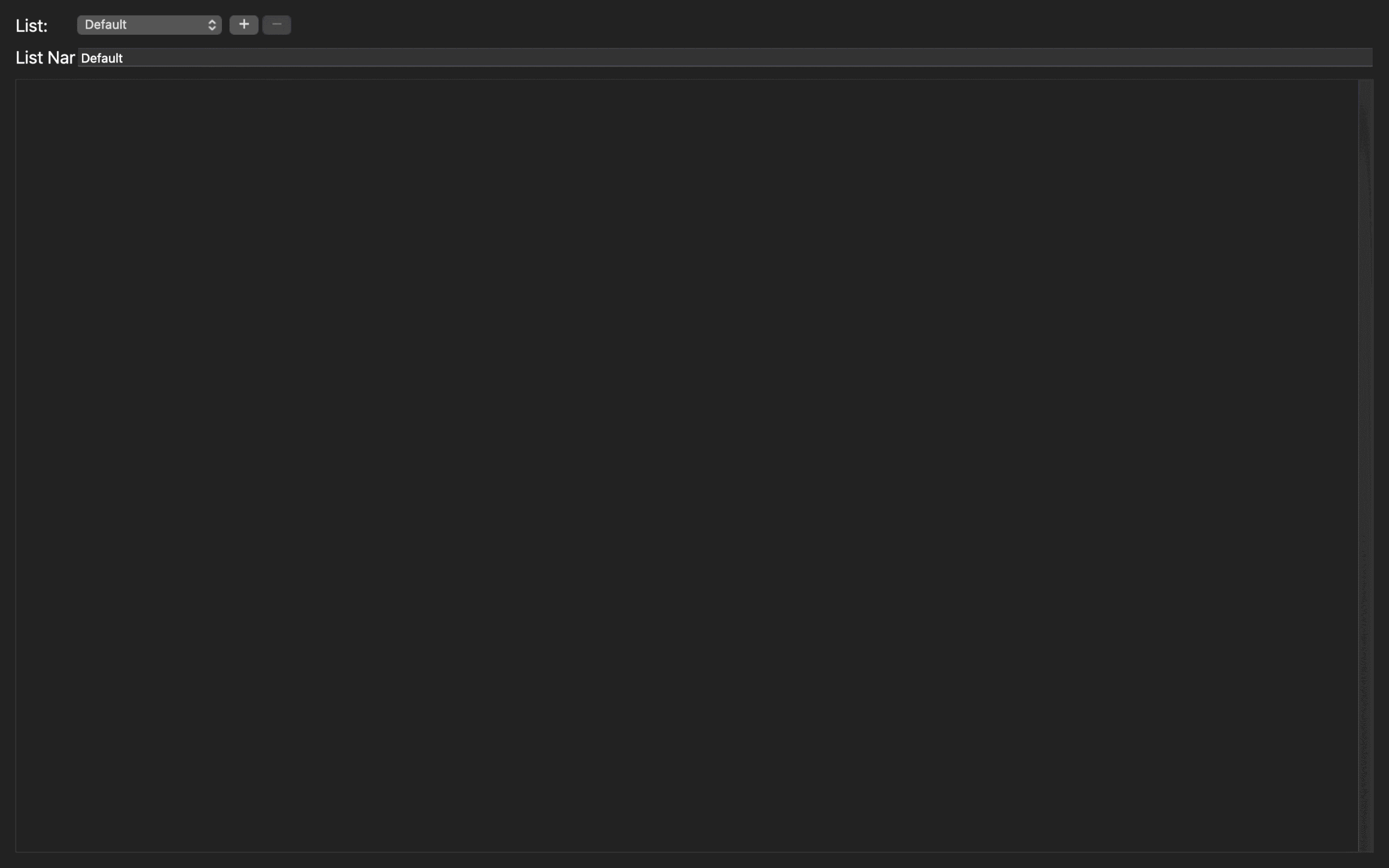
Respect the large-file feature boundary
Documentation states that heavy-display optimization disables same-word and registered-term highlighting in files of 300,000 characters or more. The hands-on check confirmed the large-file decision, not the visual disappearance of both highlight modes. Do not promise that the same view remains available for every long manuscript. The controlled target is one 2,400-character scene.
Recount R and C separately after revision
After revising R3 through R5, the nearby-pair count should fall from six to three: two preserved and one pending. After specifying four caution terms, C falls from ten to six: three preserved and three pending.
Zero is not the goal. The remaining highlights need readable reasons.
Fix nearby distance before counting
Define nearby as the same paragraph or one adjacent paragraph. Do not include a use five paragraphs away or across a scene break. A stable distance rule makes the pre- and post-revision pair counts comparable.
Choose R and C colors that remain distinct
Use different colors and readable opacity for temporary repetition and registered caution terms. Pair color with R and C identifiers so the decision does not rely only on visual perception.
Check whether a revision creates a new repetition
After replacing “quiet” with another expression, select the new word and check its neighborhood. A lower old-word count is not success if the revision creates another crowded phrase.
Keep scene counts local to the scene
Six R pairs and ten C occurrences describe only the 2,400-character rain scene. Record chapter and range, and do not turn summed scene counts into a quality score for the whole book.
Keep the caution list small and general
Limit the specimen to five general words and attach the revision question each word represents. Test a one-off concern with temporary selection before promoting it to a maintained list.
Count a reasoned preserve decision as revision work
Three caution occurrences can remain because narrator uncertainty is intentional. A surviving highlight is not automatically unfinished; completion depends on a recorded reason.
Give every deferred item a next scene and question
For R6 and the three deferred C items, name the scene to read and the question to answer. “Pending” alone makes the next editor repeat the same uncertainty.
Do not turn a caution list into a replacement dictionary
The same registered term may be specified, deleted, preserved, or deferred depending on context. Keep the list as a discovery condition and record each resulting sentence or preserve reason individually.
Hand over two decision notes
The R note records preserve two, revise three, and defer one. The C note records specify four, preserve three, and defer three. It contains no character or place-name authority list.
Try the two highlight modes on one scene and review their documented scope on the Rune Studio product page. Send people and place-name work to the character-name and proper-noun list workflow.